
How Global Trends Are Changing the Way Britons Invest
5 Views
Investment decisions were once shaped largely by domestic economic conditions, local market performance and the financial advice available to individuals. Today, the picture is far more complex. Developments in international politics, technological innovation, climate policy and global financial markets increasingly influence how people across Britain manage their money and plan for the future.
For British investors, these changes present both opportunities and challenges. Access to international markets has expanded, information travels faster than ever, and new investment products have made portfolio diversification more accessible. However, greater connectivity also means that events happening thousands of miles away can affect savings, pensions and investment returns at home. Understanding these global trends is becoming essential for anyone seeking to make informed financial decisions.
The Growing Influence of International Markets
Globalisation has made financial markets more interconnected, meaning developments in one major economy can have consequences far beyond its borders. Decisions by the US Federal Reserve, changes in Chinese economic growth and geopolitical tensions affecting energy supplies can all influence British investment markets. Currency movements and shifting investor confidence may affect everything from shares in multinational companies to the value of overseas funds held within a pension.
For individuals investing in the UK, this interconnectedness highlights the importance of looking beyond domestic economic headlines. International diversification can provide access to different industries, regions and sources of potential growth. Nevertheless, investing overseas introduces additional considerations, including exchange-rate fluctuations, foreign regulations and differences in market volatility. A diversified portfolio can help manage concentration risk, although it cannot eliminate investment losses.
Economic uncertainty has also encouraged investors to pay closer attention to inflation and interest rates. When central banks adjust borrowing costs, the consequences can extend to bond prices, equity valuations, mortgage affordability and savings returns. Rather than reacting to every international announcement, investors benefit from understanding how these developments relate to their financial objectives, time horizons and risk tolerance.
Technology Is Transforming Investment Access
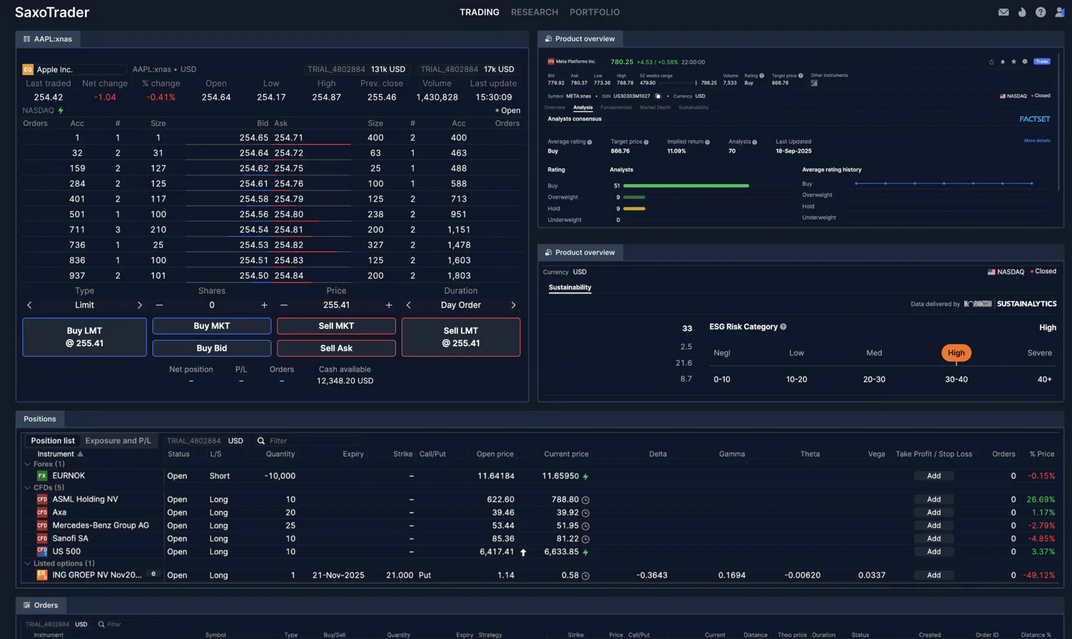
Digital platforms have significantly changed how British investors interact with financial markets. Online brokerage accounts, mobile investment apps, and automated portfolio services let people research opportunities, monitor holdings, and manage investments without relying solely on traditional financial advisers. This accessibility has made investing more convenient for people who previously found financial markets difficult to navigate.
Artificial intelligence is adding another dimension to this transformation. Investors can use AI-powered tools to organise financial information, compare company performance and identify broader market trends. Automation can also support portfolio management through scheduled contributions and automatic rebalancing. However, these tools are only as useful as the information and assumptions behind them. AI-generated insights may be incomplete or inaccurate, and automated recommendations do not replace careful research or professional advice where needed.
Greater accessibility also brings new risks. Social media can amplify misleading investment claims, while speculative assets and complicated financial products may appear more attractive than they really are. Investors should examine fees, understand how an investment works and check whether a platform is appropriately authorised. Those seeking additional information can check the website as part of their research process, while independently verifying any financial information and assessing whether a potential investment suits their circumstances.
Sustainability Is Becoming Part of Investment Decisions
Environmental, social and governance considerations have become increasingly relevant to long-term investment discussions. Climate change, energy security and the transition towards lower-carbon technologies are influencing government policies, corporate strategies and capital allocation. Consequently, investors are examining how companies manage environmental risks, treat employees, maintain governance standards and prepare for changing regulations.
The transition to cleaner energy may create opportunities in areas such as renewable power, electricity infrastructure, energy storage and efficiency technologies. At the same time, established industries may face higher transition costs or changing consumer demand. Sustainable investing therefore requires more than choosing a fund with an environmentally appealing name. Investors need to understand the underlying holdings, investment strategy and evidence supporting sustainability claims.
Adapting Investment Strategies for the Future
As global trends continue to reshape financial markets, successful investing will increasingly depend on adaptability, informed judgement and realistic expectations. British investors need to understand how technology, international economic policy, sustainability and geopolitical developments affect their portfolios without assuming that every emerging trend represents a profitable opportunity.
A strong investment strategy begins with clear goals, an appropriate time horizon and an honest assessment of financial circumstances. Costs, tax considerations and diversification should remain central to portfolio decisions. In the UK, investors may also need to consider how tax-efficient accounts, including Individual Savings Accounts and pensions, fit into their wider financial plans. The suitability of each option depends on individual circumstances and applicable rules.
Conclusion
Global trends are changing the way Britons invest by expanding access to international markets, introducing new technologies and bringing sustainability and geopolitical risks further into the investment conversation. These developments offer opportunities for growth, but they also require investors to approach financial decisions with greater awareness and care.
The key to navigating this changing landscape is not to predict every market movement or follow every emerging trend. Instead, investors should focus on long-term objectives, maintain appropriate diversification, understand the risks involved and review their strategies as their circumstances evolve. By combining reliable research with disciplined financial planning,