
The Construction Problems That Disappear When You Take Weight Out
21 Views
Construction solves most things by adding. More steel, more concrete and deeper footings. What about a bigger crane to set the bigger thing? Weight answering weight. Every so often, though, the answer runs the other way. A lot of what goes wrong on a site goes wrong because the materials weigh what they weigh, and when you pull the weight out, the problem usually leaves with it.
Soft Ground Doesn’t Negotiate
Soil has a limit. Push past it and the ground compresses, then keeps on compressing for years while everything above it drifts out of level and the owner starts asking pointed questions. The standard fixes are all expensive in their own way. Drive piles to bedrock.
Read More: How to Get a 9 Lakh Rupee Loan in India?
Dig out the bad material and truck in good material. This means paying twice, once to remove and once to replace. Or surcharge the site and wait nine months for it to consolidate on its own, which is free the way waiting is always free. Lightweight fill sidesteps the argument. Put down a load that’s a fraction of what soil weighs and you never push the ground past what it can carry to begin with.
Slopes Want To Slide
Hillside work is a running negotiation with gravity. Every ton you place on a slope feeds the force trying to drag that slope downhill, which is how retaining walls get thick and expensive so fast. Cut the weight of the fill and the driving force drops with it. The wall shrinks and the reinforcement eases off. The whole design loosens up. It comes up constantly on roadway widenings, where there’s no room to lay the slope back and nobody’s funding a structure big enough to hold the alternative.
Old Buildings, New Loads
Renovations hit the weight ceiling early. A roof framed in 1962 was never asked to carry rooftop mechanical units. It was never asked to carry eight inches of soil for a green roof or a hundred people at a party. Reinforcing involves opening walls and lowering columns through floors. Sometimes it means closing the building. Make the new work light enough to keep the load within the frame’s tolerance.
Read More: The Evolution of Travel: From Conventional Trips to Modern Adventures with Solar Generators
This will end the argument. Floor leveling is the same trap in miniature. Three inches of topping to flatten a sagging floor can overload a system that was doing fine right up until somebody decided to fix it.
Where The Material Comes In
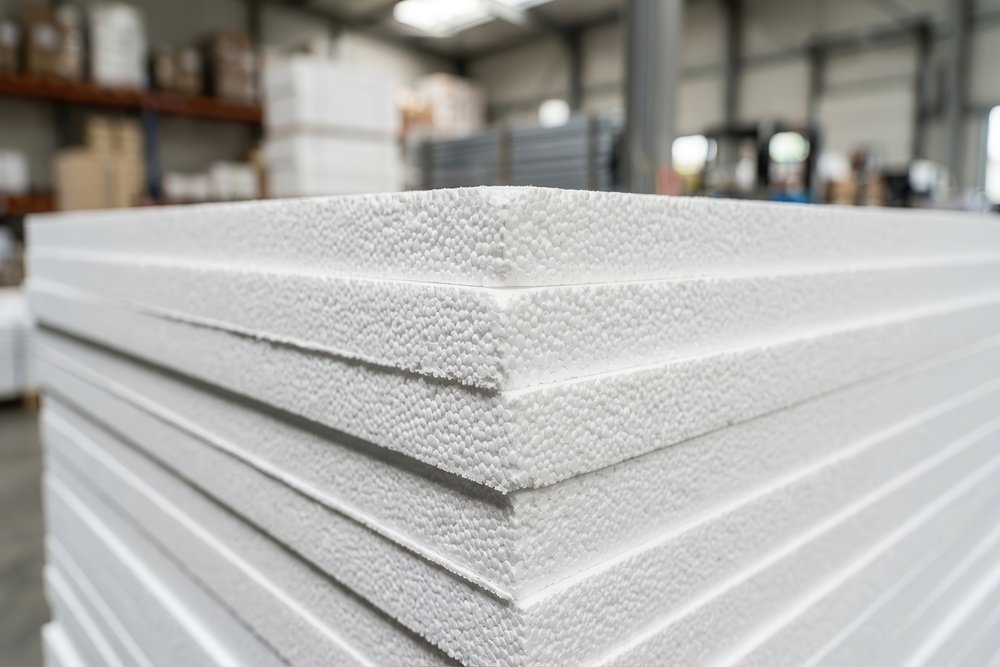
Rigid foam blocks are light but still super strong. They maintain shape under load and repel water. They also last for decades. It all begins upstream at the bead. This manages density and expansion and decides if block four hundred behaves like block one. Epsilyte supplies EPS beads for construction. This includes geofoam blocks as lightweight fill, with resin grades tailored to various strength needs. Consistent beads mean blocks that act the way the engineer’s math assumed they would.
The Site Savings Nobody Budgets For
Light material changes how the job actually runs. Instead of waiting for a crane, crews carry blocks by hand. Fewer trucks carry the same volume, so hauling costs drop. On a cramped urban lot with nowhere to stage anything, a material two people can move solves problems a spec sheet never mentions. None of that shows up in a side-by-side material comparison. It shows up in the schedule, which is usually where it matters more anyway.
Conclusion
The instinct is to build it stronger. Sometimes the better move is to build it lighter and let the problem stop existing. Soft soil, sliding slopes, a tired roof with a new mechanical unit on it: different problems, one lever. Worth asking which way you’re reaching before the pile rig shows up.